What we do
Wood Floor Repair & Restoration
Fixing the part that failed without replacing the part that did not.
In short
Deco Hardwood Floor repairs and restores wood floors for homeowners in Philadelphia and within 50 miles of it, replacing the part that failed and keeping the part that did not. The category covers board replacement and squeaks, water damage, pet stains and odor, and the restoration of parquet and herringbone floors. Which one applies depends on what caused the damage and whether that cause has stopped. The floor is metered and measured in person before any wood is cut.
Repair & Restoration: the 4 services
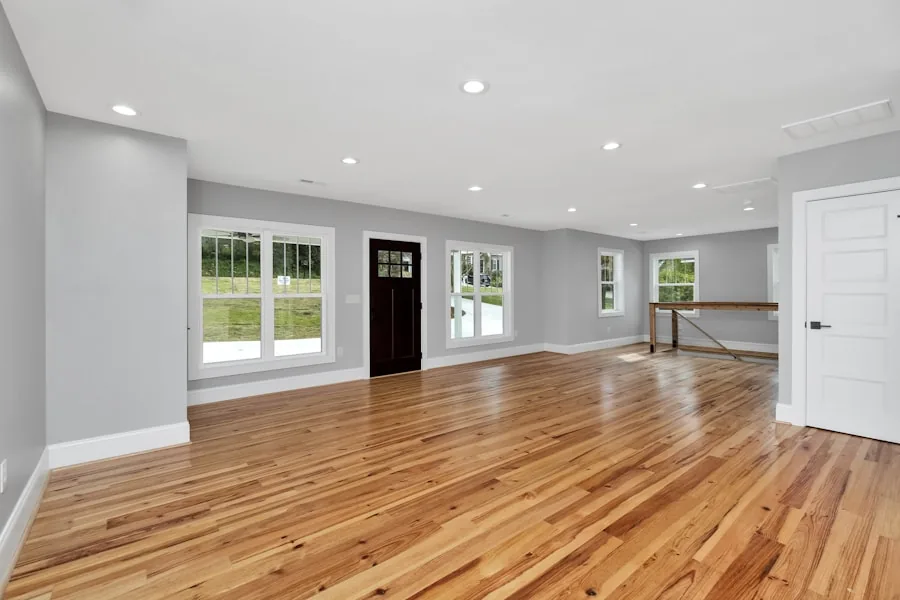
Hardwood Floor Repair
Board replacement, weaving in new wood, squeaks, gaps and cupping.See floor repair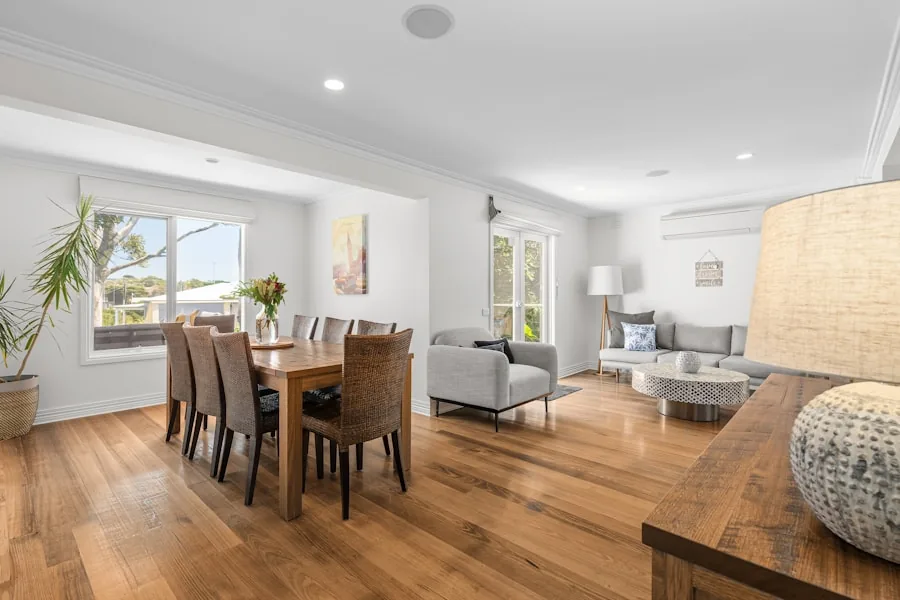
Water Damage Floor Repair
A dishwasher line, a burst pipe, a finished basement. What can be dried and saved, and what cannot.See water damage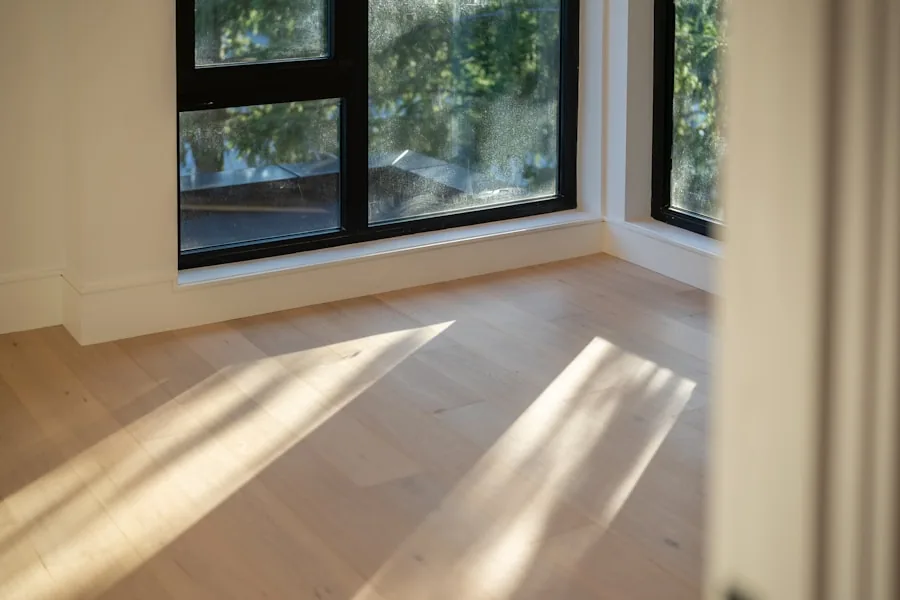
Pet Stain & Odor Repair
Urine goes through the finish into the wood and sometimes into the subfloor. Sanding alone does not remove it.See pet stains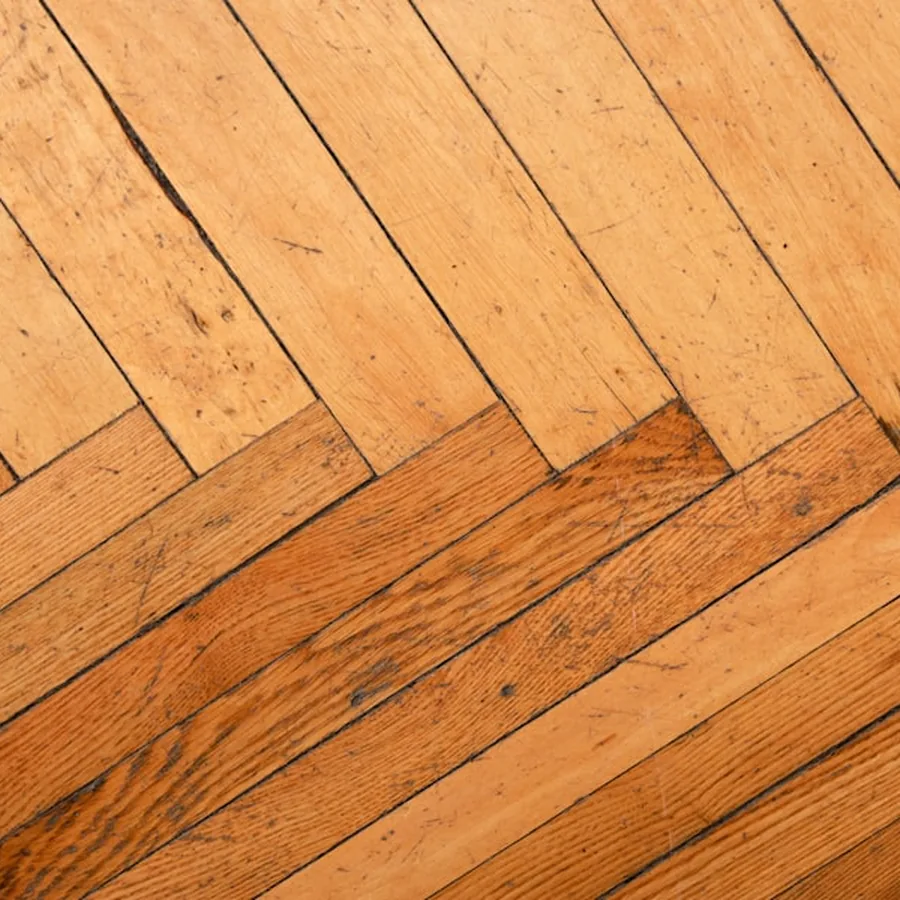
Parquet & Herringbone Restoration
Multi-direction grain, thin wear layers and no room for error. The floors under the carpet in a 1920s house.See parquet restoration
Which wood floor repair do you need?
Match the repair to the cause. Local damage on a dry floor is a board repair. A floor that got wet is a water damage job, which starts with drying. Dark spots and odor are a pet stain job. Patterned floors need their own sanding method.
| Service | Who it is for | When it is the right call | What you end up with |
|---|---|---|---|
| Hardwood Floor Repair | Homeowners with damaged boards, squeaks, gaps or cupping in one part of a sound floor. | The damage is local, the cause has stopped, and the rest of the floor is sound. | New boards woven into the old floor, usually followed by refinishing so the repair disappears. |
| Water Damage Floor Repair | Homeowners after a dishwasher or refrigerator line leak, a burst pipe or a wet basement. | The floor got wet and is cupped, stained or soft underfoot. The source is stopped first. | A floor dried and measured, with only the boards that did not recover replaced. |
| Pet Stain & Odor Repair | Homeowners with urine stains in the wood, or an odor that returns in warm humid weather. | The marks are dark, or the floor still smells after cleaning. | Stains sanded out where they are shallow. Boards replaced and subfloor sealed where they are not. |
| Parquet & Herringbone Restoration | Owners of parquet or herringbone floors, often found under carpet in prewar houses. | The pattern is worn, has loose or missing pieces, or another crew declined it. | A patterned floor sanded diagonally in stages, with missing pieces matched and finished as one surface. |
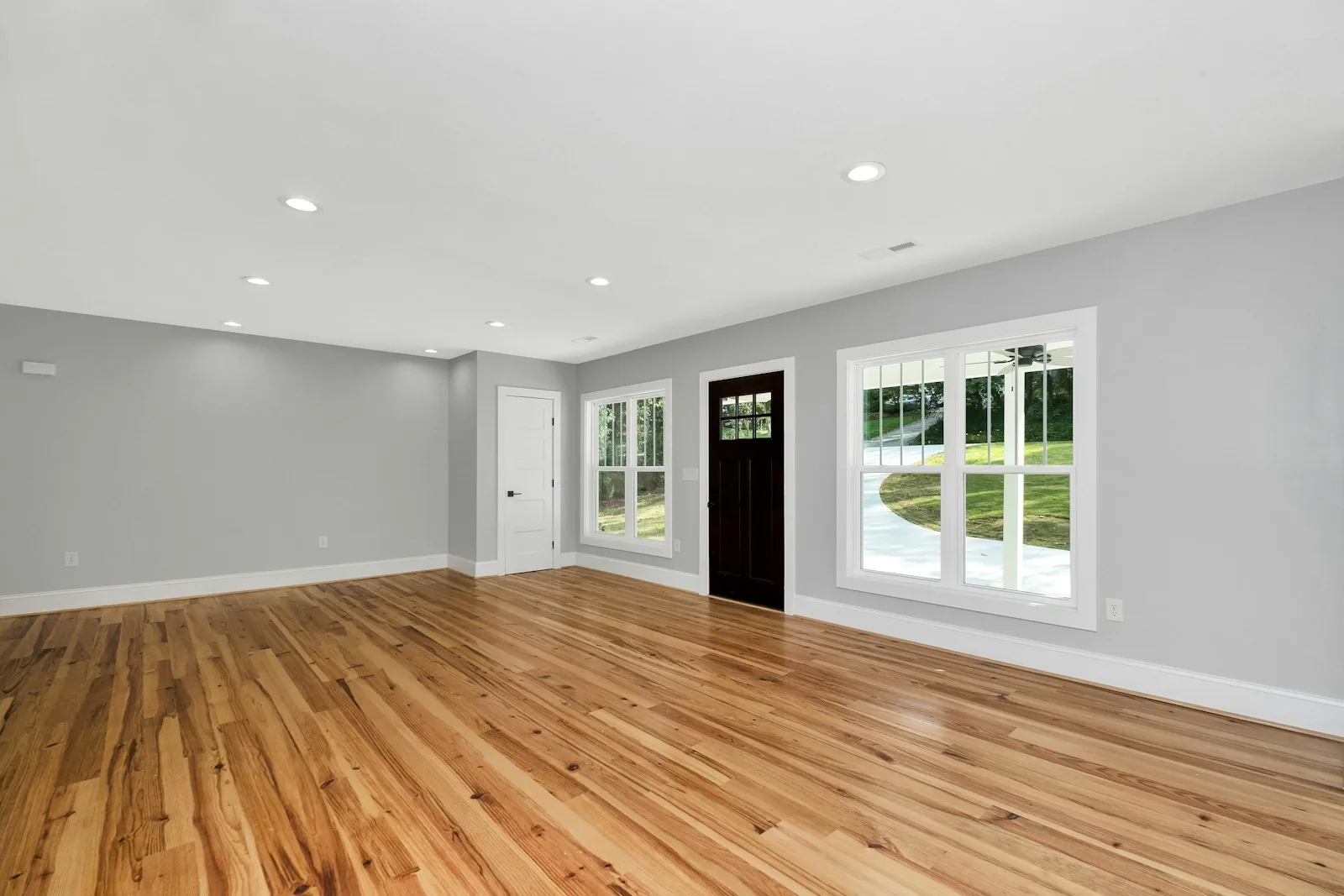
How Deco Hardwood Floor approaches a floor repair
Diagnosis comes before carpentry. We find out why the floor failed, confirm the cause has stopped, and open only what has to be opened. Then new wood is woven in and finished with the floor around it.
We find the cause
Moisture readings in the boards and the subfloor, and a look underneath where access allows. Sometimes the floor needs a plumber before it needs us.We wait when the floor is wet
Cupping often reverses as the assembly dries, which can take weeks. Nothing is sanded until the readings come down, and we tell you the numbers.Only the damaged wood comes out
Failed boards are cut out without disturbing the sound ones. Where the subfloor is soft or carries odor, it is opened and dealt with first.New wood is woven in and finished
Joints are staggered into the old floor so no straight seam is left. The area or the room is then sanded and coated as one surface.
Repair mistakes that turn a small job into a new floor
Many floors that end up replaced could have been saved. What ends them is acting before the cause is known: sanding a wet floor, patching in a rectangle, or coating over a stain that is in the wood.
Sanding a cupped floor while it is wet
Sanding takes the raised edges off for good. When the boards dry and flatten, the edges are thin and the floor crowns, which is harder to fix.
Repairing over an active cause
A dark stain at a dishwasher can mean a slow leak that is still leaking. New boards over it buy a few months, then fail the same way.
A rectangular patch
The eye finds a straight line at once, however close the color. Weaving scatters the joints between old and new so there is no line to find.
A photo quote for a black pet stain
Black usually means the reaction went deep. Nobody can tell from a photograph whether it will sand out. A test area on the floor answers it in minutes.
Treating the stain and leaving the odor
Odor normally sits in the subfloor, below anything a sander reaches. New boards laid over an unsealed subfloor let the smell come back up.
Sanding herringbone like a strip floor
The grain runs two directions at once, so a straight pass tears half the pattern. These floors are sanded diagonally, in stages, and many are thin.
Why homeowners hire Deco Hardwood Floor
Deco Hardwood Floor is owner operated: the person who quotes repair & restoration is the person responsible for it, and the material comes with the labor in one number.
Material and labor in one number
We buy the flooring direct from the distributor and pass the store price through, so you are not sourcing wood on your own between quotes.
Samples come to your house
Samples and larger offcuts come to you, so the color gets chosen in your own light instead of under a showroom lamp.
Stairs and railings built in house
Treads, risers, handrails and newel posts are drawn and built by our own crew. Most flooring crews subcontract stair work or decline it.
The owner quotes the job
The person who measures your floor is the person responsible for the work. There is no salesperson in between.
Measured before it is promised
Remaining thickness is measured at the edge of a board before we say a floor can be sanded, and no price is firm before we have seen the room.
Told straight, including the limits
Vacuum extraction catches most of the sanding dust and not all of it. We tell you that before the job instead of after.
More about who we are and what we will not claim on the About Deco Hardwood Floor page.
Questions about repair & restoration
Can my wood floor be repaired, or does it need replacing?
Most damaged floors can be repaired when the damage is local and the surrounding boards are sound. Replacement becomes the answer when the wear layer is spent everywhere, the subfloor is compromised under a large area, or the species is no longer made in that width. Deco Hardwood Floor measures and meters the floor before saying which, and says it at the estimate.
Is it worth repairing a floor instead of refinishing the whole room?
Often the two go together. A woven repair is far less visible than a patch, but new wood beside old wood will not fully match on day one. Sanding and finishing the room afterwards is what makes the repair disappear. On a small repair near a wall, blending the area can be enough, and we tell you when it will not be.
What moves the price of a floor repair?
The cause and the depth of the damage move it most. A few boards on a dry floor is a small job. Water that reached the subfloor, odor that needs sealing underneath, or a patterned floor that needs matched pieces are larger ones. Refinishing the room afterwards adds to it. Deco Hardwood Floor does not quote a firm price before seeing the floor.
My floor got wet. What should I do first?
Stop the source first, then have the floor measured. A wet floor is not automatically a ruined floor, and cupping often flattens as the assembly dries. What matters is how long it stayed wet and whether the subfloor is sound, and both are measured with a meter. The one thing not to do is let anyone sand it flat while it is still wet.
Will a floor repair be invisible?
Not always on day one, and we say so. Woven boards leave no straight seam, which removes the patch look. Color is the harder part, because new wood starts lighter than aged wood and keeps changing. Refinishing the whole room closes that gap. A factory finished floor is much harder to repair invisibly than a site finished one.
Will sanding get rid of pet stains and smell?
Sanding removes light stains, often not black ones, and it does not remove odor. A black stain has normally reacted deeper than a sander can safely take. Odor sits in the subfloor, so it is treated by lifting the affected boards, cleaning and sealing underneath, and laying new wood. Where a mark will not come out, a darker stain color is a legitimate option.
Can a herringbone or parquet floor found under carpet be saved?
Frequently yes. What settles it is the remaining thickness, because many parquet floors are thinner than strip flooring and some have already been sanded. Deco Hardwood Floor measures first. If the floor can take a sanding, it is done diagonally in stages. If it cannot, a screen and recoat or replacing a section may be the answer.
How long does a floor repair take?
It depends on the cause, so there is no honest number before the floor is seen. A board repair on a dry floor is the shortest. A water damaged floor has to dry until the moisture readings come down, which can take weeks, before anything is sanded. If the room is refinished afterwards, the cure time of the finish adds to the schedule.
Who is a repair not the right call for?
A repair is not the right call when the cause is still active, when the wear layer is spent across the whole floor, or when the subfloor underneath is soft. In the first case the leak gets fixed first, in the second the floor is replaced, and in the third the subfloor is the job. Repairing over any of them only hides the problem.
Does homeowners insurance cover floor damage?
That is between you and your insurer, and we cannot answer it for you. What Deco Hardwood Floor does on a water damage job is document what we find with moisture readings and photographs, so you have something factual to submit. The same readings show which boards recovered and which did not. We do not decide what gets covered.
From the blog
Parquet floor repair and restoration
The floor people find under carpet and are told to cover again. Most of it can be saved, by a crew that sands it differently.Why hardwood floors squeak, and the fixes that last
A squeak is two pieces of the floor moving against each other. Finding which two is the whole job.
Send a photo and we will tell you what you are looking at
Repair & Restoration starts with someone reading the house. We quote every job ourselves, with no salesperson in between, and a photo of the floor gets you a straight answer faster than a form does.
