
Sanding & Refinishing
Hardwood Floor Refinishing in Philadelphia, PA
Refinishing takes the old coating off a wood floor, corrects what is under it, and puts a new finish down. It is the right call when the wood itself is sound and only the surface has failed. In the Philadelphia region that covers most of the housing stock: approximately 60.5 percent of the homes inside our service radius were built before 1978, and a floor from that era usually has more life in it than the finish sitting on top.
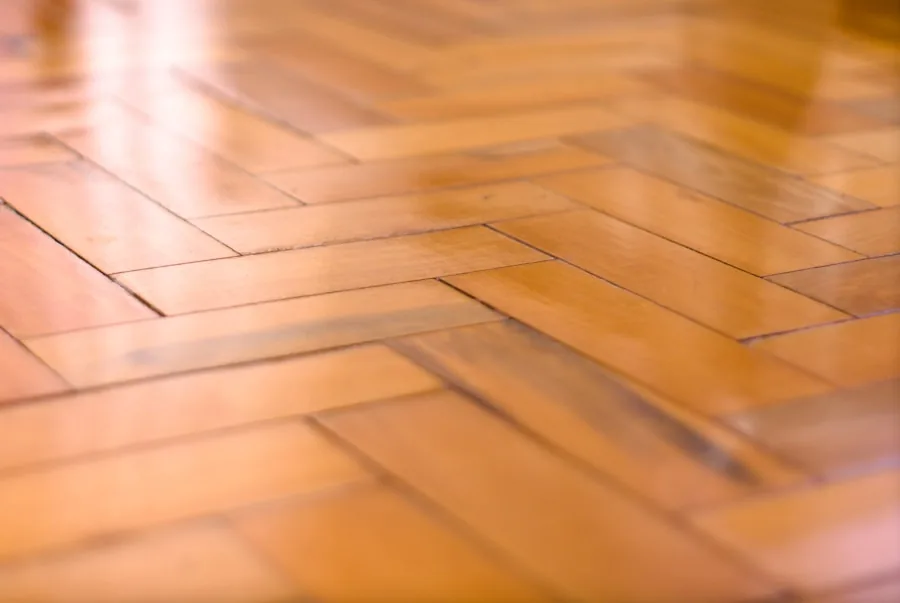
In short
Deco Hardwood Floor refinishes hardwood floors for homeowners in Philadelphia and within 50 miles of it, sanding to bare wood in three passes with vacuum extraction and applying a new finish in coats. Refinishing is the right call when the boards are sound and only the surface has failed. The owner looks at every floor in person and measures the wood left above the tongue before quoting. The result is the floor you already own with a new finish on it, and one less sanding left in it.
At a glance
- What it is
- Sanding the existing floor back to bare wood, then finishing it
- Right when
- The boards are sound and the finish is worn, dull or damaged
- Wrong when
- The wear layer is spent, or the damage is structural
- Material
- Finish only. The wood is already yours
- Machine
- Drum sander and edger, with vacuum extraction at the machine
- Pre-1978 homes
- The federal lead rule governs how the machine has to be set up
How we decide whether your floor can be refinished
It comes down to how much wood sits above the tongue, and that gets measured rather than guessed.
A solid strip floor starts life about three quarters of an inch thick, but only the wood above the tongue can be sanded. That is roughly a quarter inch on a traditional floor, which is four or five sandings across the whole life of the floor. A house that has been refinished three times already is in a different conversation than one that never has.
We pull a vent or lift a threshold to look at the edge of a board, and we measure. In prewar housing that step is not optional. Philadelphia row homes and Main Line twins frequently hold floors that were laid before 1940, and some of them have one sanding left in them. Spending it badly is not recoverable.
What actually happens to your house during the work
Furniture out, three passes of sanding at progressively finer grit, then the finish, with the floor unavailable while each coat cures.
The room is emptied and sealed off. Sanding is done in passes: a coarse grit takes the old coating and any cupping off, then two finer passes remove the scratch the previous grit left. Skipping a grit is the most common shortcut in this trade, and it shows up months later as a visible scratch pattern under the finish, in raking light, when it is too late to fix without starting over.
After the sanding comes the edger, and then hand work at the corners, around radiators and under the toe kick. Then the finish goes down in coats. The floor is not walkable between coats, and the schedule is set by cure time, not by how fast we can move.
Dust, and what we will not promise
Vacuum extraction at the machine catches most of it, and no one who has done this work will tell you a sanding job leaves none behind.
Our sanders run with containment and a vacuum collecting dust where it is generated. In a house built before 1978 that is not a comfort feature, it is the configuration the federal lead rule describes for machines that strip a coating at high speed.
What that setup does not do is eliminate dust. Fine particles escape any system, they settle for a day or two after the machines stop, and anyone promising a dust-free sanding job is selling something. We seal the work area, we clean at the end, and we tell you this before the job instead of after.
Choosing the finish
The choice is between a waterborne finish that cures fast and stays clear, and an oil-modified finish that ambers over time and takes longer to walk on.
Waterborne finishes cure quickly, carry far less odor, and keep the wood close to its natural color. Oil-modified polyurethane costs less, builds a warmer tone that deepens over the years, and needs more time between coats and before furniture comes back.
Neither is the right answer for every house. A rental turnover with a hard deadline and a family home with a dog point in different directions, and so does a floor you intend to keep for thirty years versus one you are preparing to sell.
Signs your hardwood floor needs refinishing
A floor needs refinishing when the damage has gone through the finish and into the wood. If the coating is only dull, a recoat may be enough. The six signs below are the ones that mean sanding.
Gray or dark wood in the traffic lanes
The path from the door to the kitchen has turned gray or darker than the rest. The finish is gone there and the bare wood is taking the wear directly.
Scratches that catch a fingernail
A scratch you can feel has cut through the coating into the wood. A new coat would sit on top of it. Only sanding takes the wood down past it.
Finish that peels or flakes
The top coat lifts in sheets or flakes, usually where people walk most. The coat never bonded to what was under it, and the repair is a sand to bare wood.
Dark stains from pets or water
Black or dark brown patches that do not wipe off have gone into the wood. Sanding lightens some of them. The deep ones mean replacing those boards first.
Board edges higher than the centers
Cupped boards feel like ridges under a bare foot. That is a moisture sign. The source gets found first, and the coarse pass flattens the floor afterward.
A wood floor found under old carpet
Carpet comes up and there is strip flooring under it, with tack strip holes, staples and paint drips. The wood is often sound and the surface needs everything.
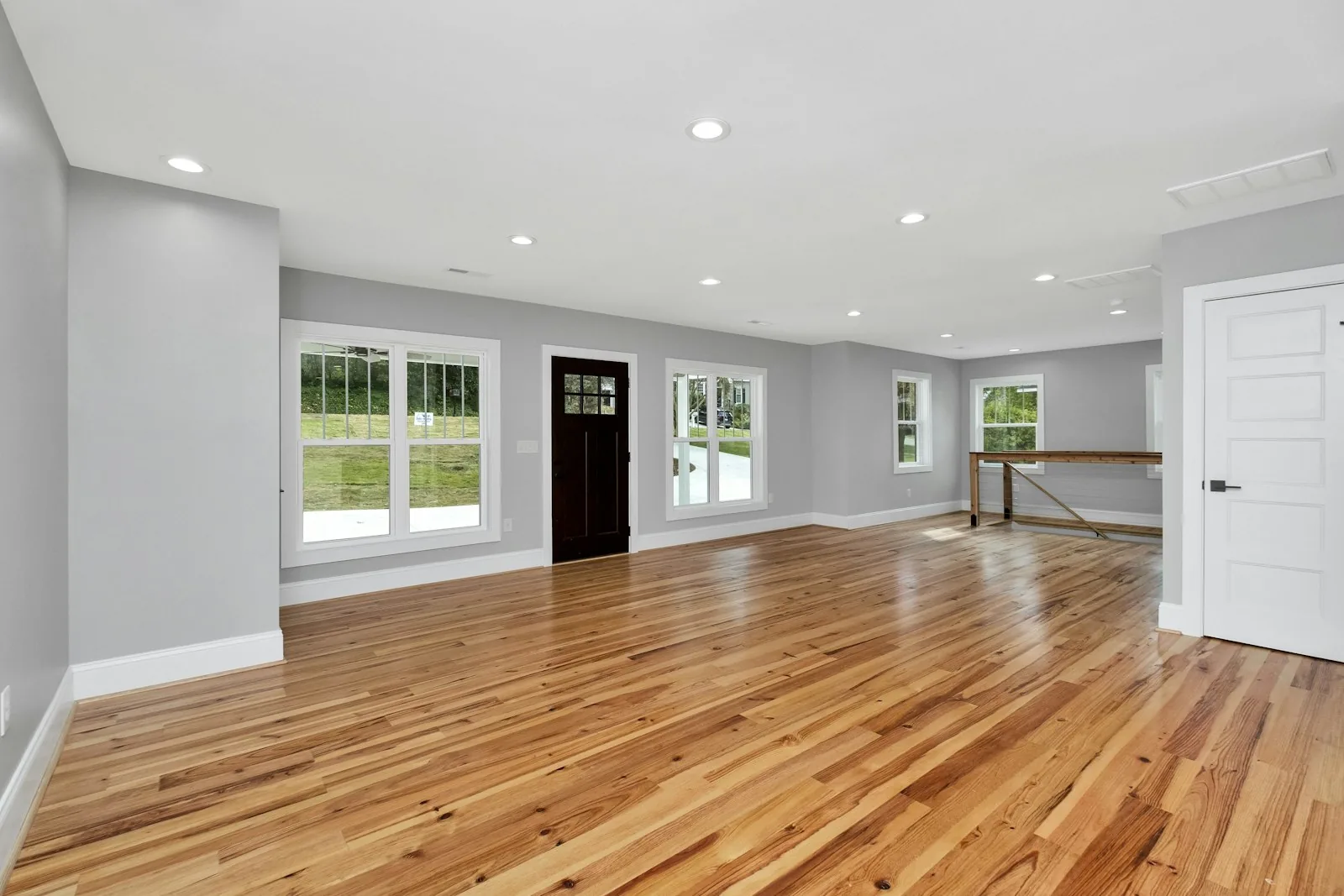
How the work runs
We look at the floor
We measure remaining thickness, check for movement, and find what is under any covering before quoting anything.You get one number
Labor and any material in a single figure, with the finish specified by name.The room comes out
Furniture and coverings out, work area sealed, vents covered.Sanding in passes
Coarse to fine, then edger and hand work at the perimeter.Finish goes down
Coats applied on the cure schedule, not on ours.We walk it with you
In raking light, before anything goes back in the room.
What is included in hardwood floor refinishing
The job covers the inspection, the sanding in passes, the finish in coats and a walk through at the end. Color changes, board repair and moisture problems are separate work, and we say so before the quote rather than after.
Included
- A visit from the owner to look at the floor and measure the wood left above the tongue.
- One figure for labor and material, with the finish specified by name.
- Sealing the work area and covering the vents before the machines start.
- Three sanding passes from coarse to fine, with vacuum extraction at the machine.
- Edger work at the perimeter and hand work in corners, around radiators and under the toe kick.
- Finish applied in coats on the cure schedule, then a walk through with you in raking light.
Not included, or quoted separately
- Stain or a color change. That is its own step, decided on samples, and it adds to the job.
- Replacing rotted, split or missing boards. Board repair is scoped once we see what the floor needs.
- Fixing a moisture problem. Gaps that never close and cupping get diagnosed before anyone sands.
- A sanding job that leaves nothing to clean. Extraction catches most of the dust, not all of it.
What changes the cost of hardwood floor refinishing
We set the price after seeing the floor, not before. What moves it most is the area and how it is divided into rooms, the condition of the wood under the old finish, and which finish goes down.
| What changes it | How it moves the price | Example |
|---|---|---|
| Floor area and layout | More floor is more sanding and more finish. Small rooms, closets and hallways add edger and hand work that one open room does not. | One open living room goes faster per square foot than the same area split across three bedrooms and a hall. |
| Condition of the wood | Cupping, deep stains and boards that need replacing add sanding and repair work before any finish can go down. | A floor found under old carpet often has tack strip holes and staples to deal with before the first pass. |
| Finish type | Oil-modified polyurethane costs less than a waterborne finish. The product is named in the quote so you can compare like with like. | A rental turnover with a hard deadline and a family home with a dog can point to different products. |
| Stain or natural | A color change adds the sample step, the stain itself and its drying time before the first coat of finish. | Keeping red oak natural is a shorter job than taking the same floor to a dark brown. |
| Age of the house | In a house built before 1978 the federal lead rule can govern how the sander is set up, and that setup takes time. | A 1920s row home with painted baseboards gets a different setup than a 1990s house with the same floor. |
What to ask before you hire a floor refinishing contractor
These six questions work on any contractor, including us. Each one has an answer that a person who sands floors for a living can give without thinking, and a vague answer tells you something too.
How will you find out how much wood is left above the tongue?
A good answer involves pulling a vent or lifting a threshold and measuring the edge of a board. A guess from the surface can spend the last sanding the floor has.
Which grits will you sand with, and do you skip any?
You want to hear a sequence from coarse to fine with no step missing. A skipped grit saves an afternoon and shows months later as scratches under the finish.
Which finish are you quoting, by product name, and how many coats?
A named product and a coat count can be compared between quotes. The word polyurethane alone hides the difference between a waterborne and an oil-modified finish.
How is dust collected, and how much should I expect afterward?
The honest answer is a vacuum at the machine, a sealed work area and some fine dust settling for a day or two. A promise of none is a warning.
My house was built before 1978. How does that change your setup?
A contractor who knows the federal lead rule will describe containment and a HEPA vacuum on the machine, and will look at the painted trim. A shrug means nobody has read it.
When can feet, furniture and rugs go back on the floor?
The answer should be tied to the specific product, because cure time sets the schedule. One number given before the finish is chosen is a guess.
Why homeowners hire Deco Hardwood Floor
Deco Hardwood Floor is owner operated: the person who quotes hardwood floor refinishing is the person responsible for it, and the material comes with the labor in one number.
Material and labor in one number
We buy the flooring direct from the distributor and pass the store price through, so you are not sourcing wood on your own between quotes.
Samples come to your house
Samples and larger offcuts come to you, so the color gets chosen in your own light instead of under a showroom lamp.
Stairs and railings built in house
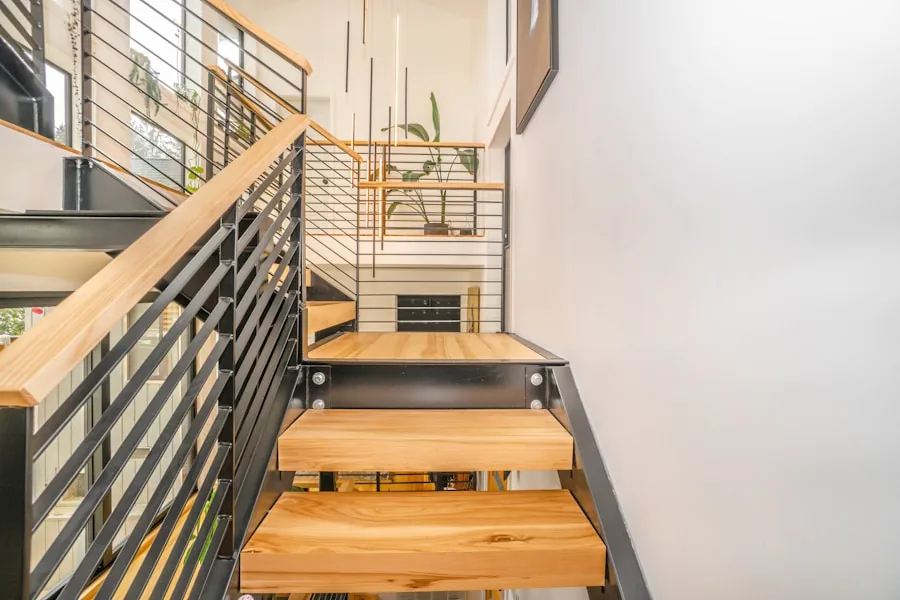
Treads, risers, handrails and newel posts are drawn and built by our own crew. Most flooring crews subcontract stair work or decline it.
The owner quotes the job
The person who measures your floor is the person responsible for the work. There is no salesperson in between.
Measured before it is promised
Remaining thickness is measured at the edge of a board before we say a floor can be sanded, and no price is firm before we have seen the room.
Told straight, including the limits
Vacuum extraction catches most of the sanding dust and not all of it. We tell you that before the job instead of after.
More about who we are and what we will not claim on the About Deco Hardwood Floor page.
Questions about hardwood floor refinishing
How many times can a hardwood floor be refinished?
Four or five times over the life of a traditional solid floor, because only the wood above the tongue can be sanded. Engineered floors depend entirely on their wear layer, and some cannot be sanded at all. We measure before quoting.
How long before I can walk on it?
It depends on the finish. Waterborne products let you back on the floor far sooner than oil-modified polyurethane, and furniture always waits longer than feet. We give you the schedule for the specific product before we start.
Will refinishing fix gaps between the boards?
Not permanently. Solid wood moves across its width with the seasons, so gaps that open in winter close again in summer. Gaps that never close point at a moisture problem, and that gets diagnosed before anyone sands anything.
Can you match a new section to my existing floor?
Often, with sample boards made from your actual wood before anything is committed. Species, age and prior finish all affect it. Matching is a promise we make after testing, not before.
Do I have to leave the house?
Usually not, though you cannot use the rooms being worked on. Odor is a real factor with oil-modified finishes and much less so with waterborne, which is one reason the finish choice is part of the conversation.
Should I refinish my hardwood floor or replace it?
Refinish it if the boards are sound and there is still wood above the tongue. Hardwood floor refinishing removes a worn finish, scratches and most surface staining, and the wood is already yours, so the job is labor and finish only. Replacement is the answer when the wear layer is spent, when boards are rotted, or when the damage is structural. Deco Hardwood Floor measures the edge of a board before recommending either.
Full refinishing or a screen and recoat: which does my floor need?
A screen and recoat is enough when the finish is dull or lightly scratched but still continuous. Hardwood floor refinishing is needed once wear has reached bare wood anywhere, when there are pet stains, or when you want a different color. Look at the traffic lanes in raking light. Gray or darkened wood means the coating is gone there, and a new coat over it would seal the damage in.
How long does hardwood floor refinishing take?
It depends on the area, the finish and whether the floor is stained. Sanding is the predictable part. The schedule of a hardwood floor refinishing job is set by cure time: each coat has to cure before the next one goes down, waterborne finishes move faster than oil-modified ones, and stain adds its own drying time. Deco Hardwood Floor gives you the schedule for the specific product before work starts.
What should I do before the crew arrives to refinish the floor?
Empty the rooms as far as you can and decide where you will live while they are closed. For hardwood floor refinishing the floor has to be completely clear, closets included. Take small and breakable things out yourself, and settle at the estimate who moves the heavy furniture. Plan a route through the house that avoids the work area, and tell us about any board that moves or squeaks.
Is hardwood floor refinishing safe with pets and children in the house?
Yes, as long as they stay out of the work area from the first sanding pass until the finish has cured. During hardwood floor refinishing the rooms are sealed, the machines are loud, and a wet coat holds every paw print. In a house built before 1978 the dust from painted trim is the real concern, which is why the federal lead rule sets how the sander runs there.
Hardwood Refinishing by Philadelphia neighborhood
Hardwood Refinishing in the towns around Philadelphia
- Radnor, PA
- Wayne, PA
- Malvern, PA
- West Chester, PA
- Ardmore, PA
- Bryn Mawr, PA
- Villanova, PA
- Newtown, PA
- Media, PA
- Broomall, PA
- Upper Darby, PA
- King of Prussia, PA
- Conshohocken, PA
- Willow Grove, PA
- Horsham, PA
- Harleysville, PA
- Montgomeryville, PA
- Warminster, PA
- Doylestown, PA
- Cherry Hill, NJ
- Robbinsville, NJ
- Hamilton, NJ
- West Windsor, NJ
- Pike Creek, DE
- Hockessin, DE
- Greenville, DE
- Wilmington, DE
Hardwood Refinishing terms, defined
- grit sequence
- The order of abrasives used on a floor, coarse to fine, where each pass removes the scratch left by the one before. A skipped step leaves marks that show under the finish.
- drum sander
- A walk-behind machine with abrasive wrapped around a spinning drum. It sands the open field of the floor and does most of the work of removing the old coating.
- edger
- A handheld disc sander for the perimeter of the room, where the big machine cannot reach: along baseboards, inside closets and at doorways.
- buffer
- A rotary floor machine that turns a flat pad or an abrasive screen. It blends the scratch patterns left by the other sanders and abrades the finish between coats.
- water-based polyurethane
- A floor finish carried in water. It cures quickly, has far less odor than the oil-modified kind and stays clear, so the wood keeps close to its natural color.
- oil-modified polyurethane
- A solvent-borne floor finish that builds a warm amber tone and deepens over the years. It costs less and needs more time between coats and before furniture returns.
The rules behind this work
From the blog
How long refinishing takes, and when you can walk on it
Sanding is the predictable part. The calendar is set by the finish, and walkable is not the same day as cured.How to clean hardwood floors without damaging the finish
You are cleaning a coating, not a piece of wood. Most damage we are called to fix was done with a mop and a product that promised shine.
Related work
Send a photo and we will tell you what you are looking at
Hardwood Floor Refinishing starts with someone reading the house. We quote every job ourselves, with no salesperson in between, and a photo of the floor gets you a straight answer faster than a form does.
