
Floor Installation
Engineered Hardwood Installation in Philadelphia, PA
Engineered flooring is real wood on top of a plywood or composite core. The core is what makes it stable, and stability is what lets it go where solid wood cannot: on a concrete slab, below grade, and over radiant heat. The number that decides everything about it is the wear layer, the real wood on top, and that number is worth knowing before you buy.
In short
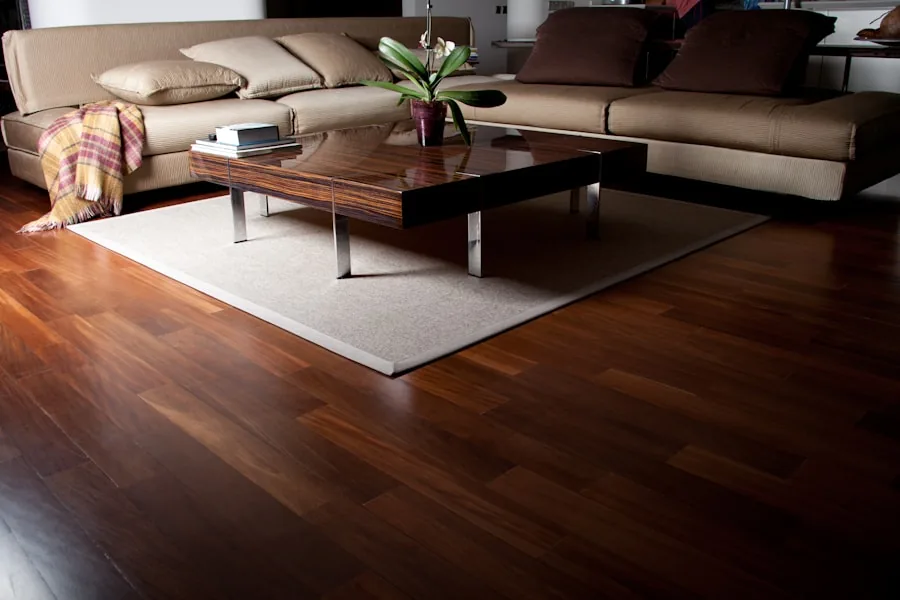
Deco Hardwood Floor installs engineered hardwood for homeowners in Philadelphia, southern New Jersey and northern Delaware, by the method the substrate requires: glued, floated or nailed. Engineered hardwood is a real wood wear layer bonded to a plywood or composite core that stays stable where solid wood would not. It is the right call over a concrete slab, below grade, or over radiant heat. The result is a wood floor in a room that could not otherwise have one, with a wear layer thickness you know in writing before you buy.
At a glance
- What it is
- A real wood wear layer bonded to a stable core
- Right when
- Concrete slab, below grade, radiant heat, or wide plank in a dry house
- The number that matters
- Wear layer thickness. Above 3 mm there is room to sand, below 2 mm there is not
- Installation
- Glue down, float, or nail, depending on the substrate
- A slab requires
- A moisture test before anything is bonded to it
- Material
- Supplied by us, direct from the distributor
The wear layer is the whole specification
Everything you can do to an engineered floor later depends on how much real wood sits above the core.
Engineered flooring is sold by species and finish, and those are the least important things about it. The wear layer decides whether the floor can ever be sanded, how many times, and therefore whether it is a twenty year floor or a sixty year floor.
A generous wear layer of four millimeters or more behaves much like solid wood for refinishing purposes. Under two millimeters, sanding is not available at any price, and the floor is a replace-when-worn product. Both are legitimate purchases. Buying the second while believing you bought the first is the problem.
Concrete slabs get tested, not assumed
Moisture moves up through concrete for years, and bonding a floor to an untested slab is the most expensive shortcut in this trade.
A slab that looks and feels dry can still be releasing moisture. The industry method is an in-situ relative humidity probe drilled into the slab, which measures what is happening inside it rather than at the surface.
Where the reading is high, the answer is a moisture barrier or a different installation method, not optimism. Adhesive failures from slab moisture do not appear for months, and by then the floor is down and the furniture is on it.
Glue, float or nail
The substrate chooses the method, not preference.
Over a slab, engineered flooring is glued or floated. Over a wood subfloor it can be nailed like solid wood. Floating floors are faster and more forgiving of small substrate variation, and they sound different underfoot, which some people notice immediately and others never do.
We walk a floated sample where possible before committing, because that acoustic difference is the most common surprise after installation and it cannot be fixed afterwards.
When is engineered hardwood installation the right choice?
Engineered hardwood is the right choice when you want real wood in a place where solid boards would move too much. That usually means concrete under the floor, a room below grade, or heat in the floor.
The subfloor is a concrete slab
There is concrete under the room, not plywood. Solid wood cannot be nailed to it and does not tolerate its moisture, so a wood floor here is glued or floated engineered.
The room is below grade
A basement or a walkout level sits below the soil line, where solid wood does not belong. Engineered flooring can go in, once the slab has been tested for moisture.
Radiant heat under the floor
Tubing or mats in the floor heat the boards from below. A layered core handles that where a solid board usually does not, within the surface temperature the manufacturer sets.
You want wide plank
A wide board moves a lot as solid wood, because wood moves across its width. The same width in engineered stays flatter through the seasons, in a house that is kept dry.
Floor height is limited
A low door or a fixed threshold leaves little room for a new floor. Engineered boards come thinner than three quarter inch solid, so the height change is smaller.
A condo with rules about sound
Many condo buildings require a sound underlayment under hard floors. An engineered floor can be installed over one. Read the building's rules before choosing a product or a method.
How the work runs
We identify the substrate
Slab or wood subfloor, above or below grade. This decides everything downstream.Moisture testing
In-situ probe on concrete, meter readings on wood.Material chosen with the wear layer stated
Samples at your house, with the specification written down, not just the brand name.Substrate prepared
Flatness corrected, moisture barrier where the readings call for it.Installed by the method the substrate requires
Glue, float or nail.Trim and transitions
Expansion respected at every wall and doorway.
What an engineered hardwood installation includes
The quote covers identifying the substrate, testing it for moisture, the material with its wear layer written down, the preparation, the installation and the trim. Material and labor are one number, set after the owner has seen the room.
Included
- A visit from the owner to identify the substrate and measure the room
- Moisture testing: an in-situ probe on concrete, meter readings on a wood subfloor
- Engineered flooring supplied by us at the distributor's store price, with the wear layer stated in writing
- Samples and larger offcuts brought to your house
- Flatness correction, and a moisture barrier where the readings call for one
- Installation by glue, float or nail, then trim and transitions with expansion respected
Not included, or quoted separately
- Fixing the source of a wet slab. Drainage, grading and sump work belong to other trades
- Radiant heat systems. We install flooring over them, we do not install or service them
- Any future sanding, which depends on the wear layer and is a separate refinishing job
- Stair treads and railings, which are a separate service with their own quote
What changes the price of engineered hardwood installation
The price is set after we see the room and the substrate. The three things that move it most are the wear layer thickness of the product, the installation method the substrate requires, and what the moisture test says about the slab.
| What changes it | How it moves the price | Example |
|---|---|---|
| Wear layer thickness | More real wood on top costs more as material. It is also the part that decides whether the floor can ever be sanded. | A board with a 4 mm wear layer costs more than one under 2 mm. The first can be sanded later and the second cannot. |
| Installation method | Glue down takes more labor and adds the adhesive. Floating is faster. Nailing needs a wood subfloor under it. | The same board glued to a slab costs more to install than it does floated over underlayment in the next room. |
| Moisture test result | A slab that reads high needs a moisture barrier or a different method before any wood goes on it, and both add to the job. | Two basements of the same size can differ only in the probe reading. The wetter one costs more to prepare. |
| Substrate flatness | Grinding high spots and filling low ones is labor and material that comes before the floor. Glued and floated floors both need it. | A slab poured flat needs little. One with a hump along an old wall line gets ground down before the first row. |
| Area, layout and transitions | Total area sets the base. Doorways, height changes to other floors and angled walls add cutting and trim pieces. | An open basement is simpler than a first floor that meets tile at the kitchen and carpet at the stairs. |
What to ask before hiring an engineered hardwood installer
Ask these of any contractor, including us. Engineered flooring fails in ways that take months to show, so the useful questions are about what gets measured before the floor goes down and what gets written on the quote.
What is the wear layer thickness, in millimeters?
A good answer is a number written on the quote. An answer about species, brand or finish avoids the one specification that decides whether the floor can ever be sanded.
How will you test the slab for moisture?
The industry method is a relative humidity probe set into holes drilled in the slab, under ASTM F2170. A hand on the floor, or a slab that looks dry, is not a test.
What happens if the reading comes back high?
A good answer is a moisture barrier suited to that reading, or a change of method. Going ahead anyway is how adhesive fails months after the furniture is back.
Which installation method, and why that one?
The substrate should choose between glue, float and nail. If the answer is the same method for every house, the contractor is choosing by habit.
Can I walk on a floated sample first?
A floating floor sounds different underfoot from a glued one. Hearing it before committing matters, because that difference cannot be changed once the floor is in.
Which adhesive will you use on this floor?
Flooring manufacturers state which adhesives they accept for each product. A good answer names the adhesive and says it matches the instructions. A shrug means nobody read them.
Why homeowners hire Deco Hardwood Floor
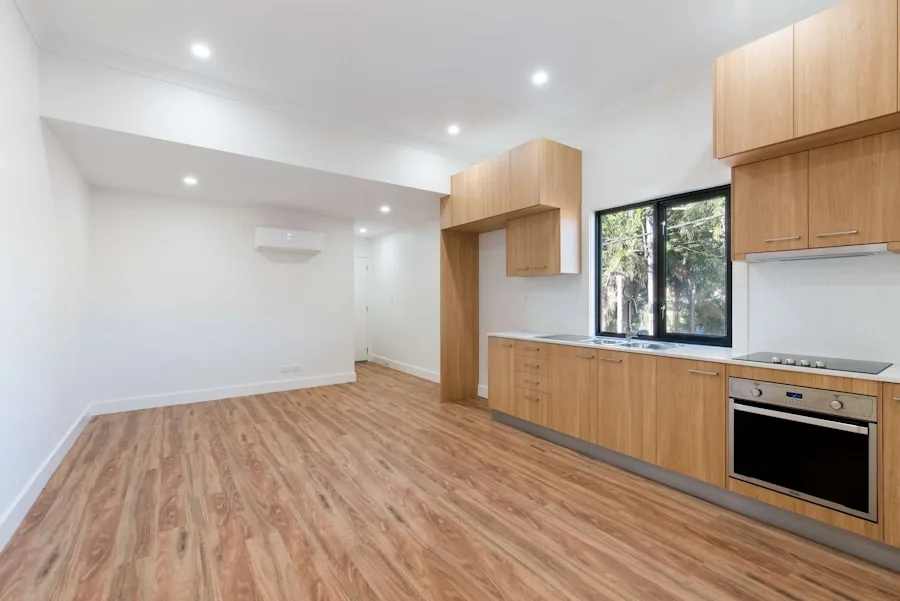
Deco Hardwood Floor is owner operated: the person who quotes engineered hardwood installation is the person responsible for it, and the material comes with the labor in one number.
Material and labor in one number
We buy the flooring direct from the distributor and pass the store price through, so you are not sourcing wood on your own between quotes.
Samples come to your house
Samples and larger offcuts come to you, so the color gets chosen in your own light instead of under a showroom lamp.
Stairs and railings built in house
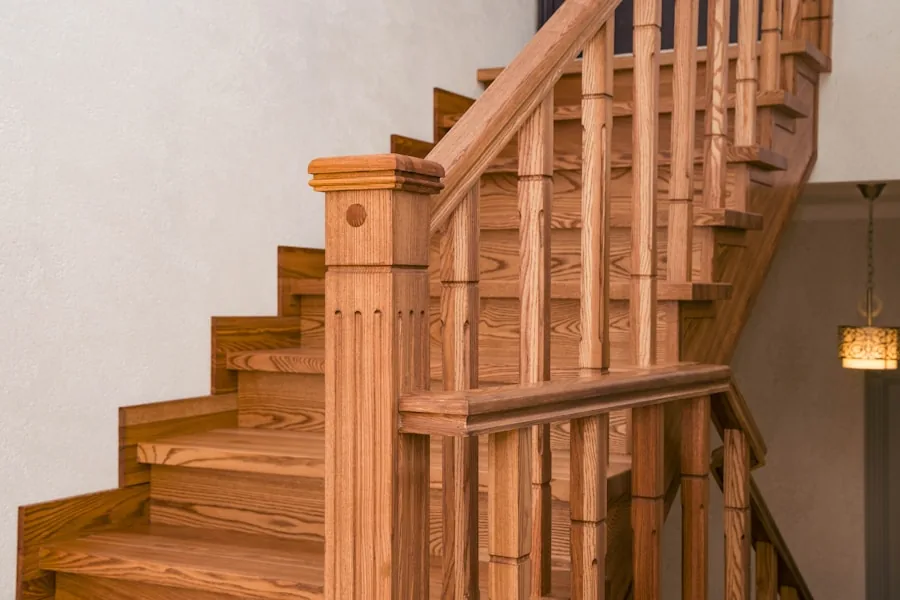
Treads, risers, handrails and newel posts are drawn and built by our own crew. Most flooring crews subcontract stair work or decline it.
The owner quotes the job
The person who measures your floor is the person responsible for the work. There is no salesperson in between.
Measured before it is promised
Remaining thickness is measured at the edge of a board before we say a floor can be sanded, and no price is firm before we have seen the room.
Told straight, including the limits
Vacuum extraction catches most of the sanding dust and not all of it. We tell you that before the job instead of after.
More about who we are and what we will not claim on the About Deco Hardwood Floor page.
Questions about engineered hardwood installation
Is engineered flooring real wood?
Yes. The top layer is real sawn wood, which is why it looks and finishes like wood. What is underneath is plywood or composite, and that is what makes it stable.
Can engineered floors be refinished?
It depends entirely on the wear layer. Above about three millimeters there is room for a light sanding, sometimes more than once. Below two, no. Ask for the wear layer thickness in millimeters before you buy, not the marketing description.
Is engineered flooring cheaper than solid?
Not necessarily. A high wear layer engineered floor from a good mill costs more than commodity solid oak. The reason to choose it is where it can go, not what it costs.
Can I put it over radiant heat?
Usually yes, and solid wood usually no. The manufacturer sets the surface temperature limit and it is worth respecting, because the failure mode is separation between the wear layer and the core.
Engineered hardwood or luxury vinyl plank for a basement?
Both can go below grade, and the choice is about water. Engineered hardwood installation gives you real wood, and it needs a slab that tests dry enough and stays that way. Vinyl plank is waterproof through the board and survives a leak that would ruin wood. If the basement has any history of water, Deco Hardwood Floor says vinyl.
How long does engineered hardwood installation take?
It depends on the area, the installation method and the moisture test. Floating is the fastest method. Glue down takes longer, and a slab that needs a moisture barrier adds a step before any board is set. The relative humidity probes also need time in the slab before they can be read. We give a schedule for an engineered hardwood installation after the test results, not before.
Is engineered hardwood worth it over solid wood?
It is worth it when the house requires it, and not otherwise. Engineered hardwood installation makes sense over concrete, below grade, over radiant heat or for wide plank. Over a dry wood subfloor above grade, solid wood can be sanded more times. Choose by where the floor is going and by the wear layer, not by which one sounds like the upgrade.
What can go wrong with an engineered hardwood floor?
The usual failures come from moisture and flatness. In an engineered hardwood installation glued to an untested slab, the adhesive can let go months later. A floated floor over an uneven substrate develops hollow spots and joints that move. Over radiant heat run too hot, the wear layer can separate from the core. All three are prevented before installation, not repaired after.
Can we stay in the house during the installation?
Usually yes. Engineered hardwood installation needs the room empty and closed to traffic while the work is under way. A glued floor should not be walked on until the adhesive has set, for as long as its maker states. Keep children and pets out of the room during that period. Floated and nailed floors can take foot traffic sooner.
Who is engineered hardwood not right for?
It is not right for someone who wants to sand the floor several times, unless the wear layer is thick. A wear layer under 2 mm cannot be sanded at all. Engineered hardwood installation is also the wrong answer for a room that floods, where vinyl belongs. Deco Hardwood Floor states the wear layer on the quote, so you know which floor you are buying.
Engineered Installation by Philadelphia neighborhood
Engineered Installation in the towns around Philadelphia
- Radnor, PA
- Wayne, PA
- Malvern, PA
- West Chester, PA
- Ardmore, PA
- Bryn Mawr, PA
- Villanova, PA
- Newtown, PA
- Media, PA
- Broomall, PA
- Upper Darby, PA
- King of Prussia, PA
- Conshohocken, PA
- Willow Grove, PA
- Horsham, PA
- Harleysville, PA
- Montgomeryville, PA
- Warminster, PA
- Doylestown, PA
- Cherry Hill, NJ
- Robbinsville, NJ
- Hamilton, NJ
- West Windsor, NJ
- Pike Creek, DE
- Hockessin, DE
- Greenville, DE
- Wilmington, DE
Engineered Installation terms, defined
- wear layer
- The layer of real sawn wood on top of an engineered board. Its thickness, in millimeters, decides whether the floor can be sanded and how many times.
- core
- The plywood or composite layers under the real wood of an engineered board. They are what keeps the board stable when humidity changes.
- float
- An installation method in which the boards are joined to each other and rest on an underlayment, without being fastened to the substrate below.
- glue-down
- An installation method in which each board is bonded to the slab or the subfloor with flooring adhesive spread by a notched trowel.
- vapor retarder
- A membrane or coating placed between the substrate and the floor that slows the passage of moisture vapor from below into the wood.
- relative humidity test
- A measurement of the moisture inside a concrete slab, taken with probes set into drilled holes under ASTM F2170, and not at the surface.
The rules behind this work
From the blog
Prefinished or site-finished
You will be told the difference is dust and drying time. The difference that lasts is the bevel and whether the floor can ever be matched.Waterproof flooring, and what the word actually covers
The plank is waterproof. The floor is a plank, a joint, a subfloor and a room, and water only has to beat one of them.
Related work
Send a photo and we will tell you what you are looking at
Engineered Hardwood Installation starts with someone reading the house. We quote every job ourselves, with no salesperson in between, and a photo of the floor gets you a straight answer faster than a form does.
