
What we do
Hardwood Floor Sanding & Refinishing
Bringing an existing wood floor back without pulling it out.
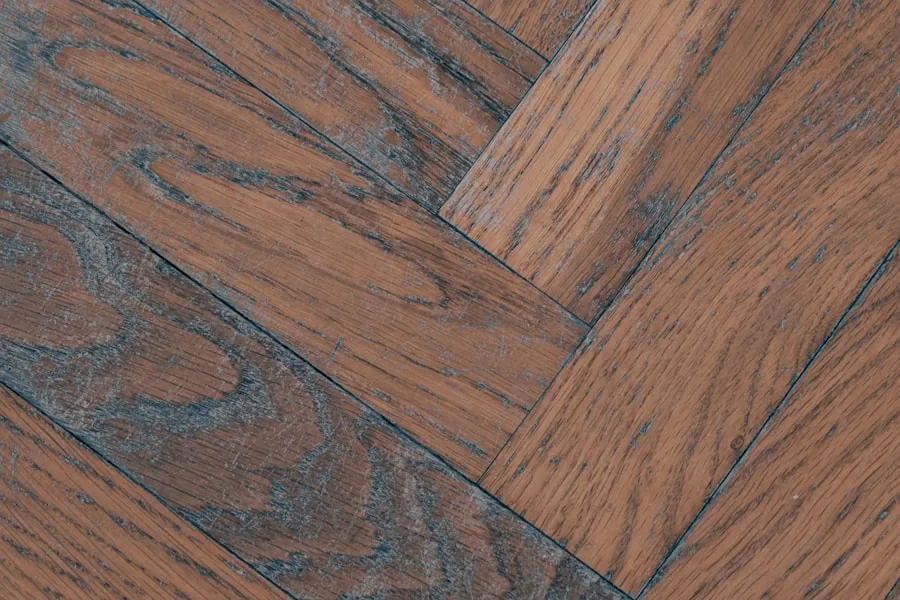
In short
Deco Hardwood Floor sands and refinishes existing wood floors for homeowners in Philadelphia and within 50 miles of it, in Pennsylvania, southern New Jersey and northern Delaware. The category covers four jobs: a full refinish to bare wood, vacuum extraction sanding, a screen and recoat that renews only the finish, and staining or color matching. Which one a floor needs depends on whether the wear stops at the finish or has reached the wood, and on how much wood is left above the tongue. The owner looks at the floor in person and measures before recommending any of them.
Sanding & Refinishing: the 4 services
Hardwood Floor Refinishing
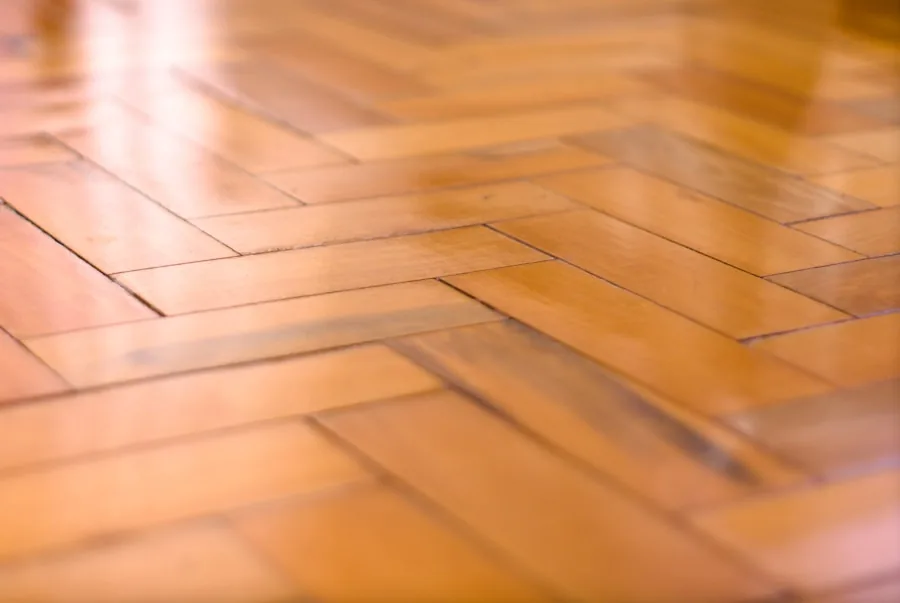
Sand the old finish off, repair what needs repairing, and put a new finish down. The floor you already own, made new.See hardwood refinishing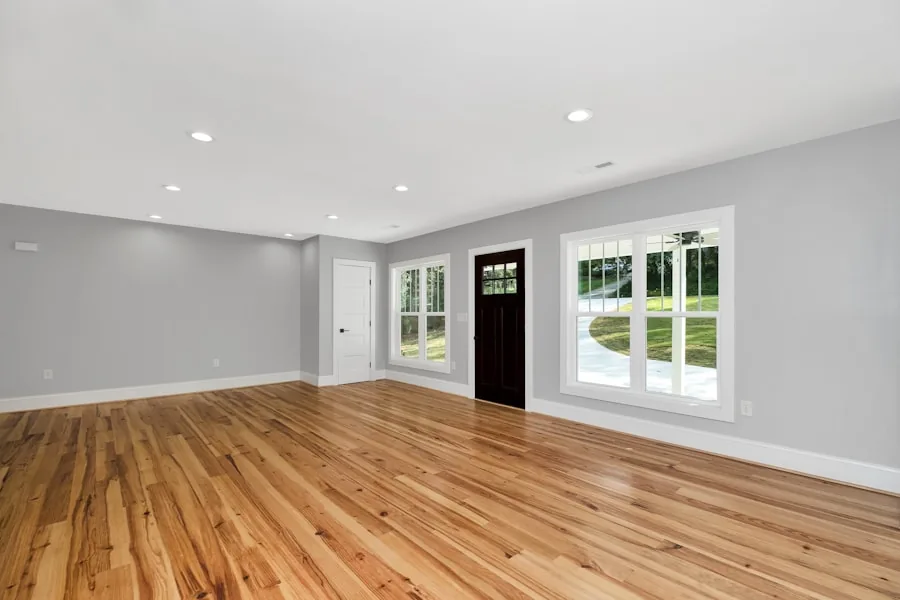
Dustless Floor Sanding
Vacuum-extraction sanding. It is not magic and it is not zero dust, and this page says exactly how much it does catch.See dustless sanding
Screen & Recoat
When the finish is worn but the wood is not. Costs a fraction of a full refinish and buys years.See screen & recoat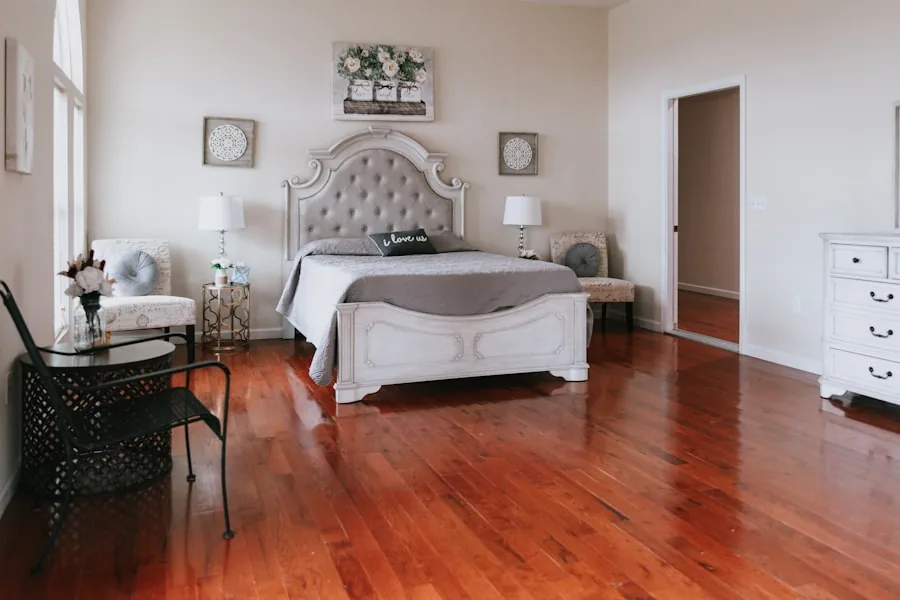
Floor Staining & Color Matching
Changing the color of a floor, or matching new wood to a floor that is already there.See staining
Which refinishing service does your floor need?
If the finish is dull but unbroken, a screen and recoat is enough. If wear has reached bare wood, the floor needs a full refinish. Staining is added when the color has to change. Vacuum extraction is how the sanding is run, not a separate result.
| Service | Who it is for | When it is the right call | What you end up with |
|---|---|---|---|
| Hardwood Floor Refinishing | Owners of a sound wood floor whose finish is worn through, stained or damaged. | Wear has reached bare wood, or there are scratches and marks that sit in the wood itself. | A floor sanded to bare wood and finished again, with repairs made along the way. |
| Dustless Floor Sanding | Anyone having a floor sanded, and above all households in homes built before 1978. | Any sanding job. In pre-1978 housing it is the setup the federal lead rule describes. | The same sanded floor, with most of the dust caught at the machine. Not all of it. |
| Screen & Recoat | Owners of a floor that looks dull or lightly scratched while the wood is untouched. | The finish is still continuous in the traffic lanes, with no wax residue and no pet stains. | A fresh coat over the existing finish, with no wood removed from the wear layer. |
| Floor Staining & Color Matching | Owners who want a different color, or new boards matched to an old floor. | The floor is being sanded to bare wood anyway, since stain only goes on bare wood. | A color chosen on sample boards made from your own floor, in your own light. |
How Deco Hardwood Floor runs a refinishing job
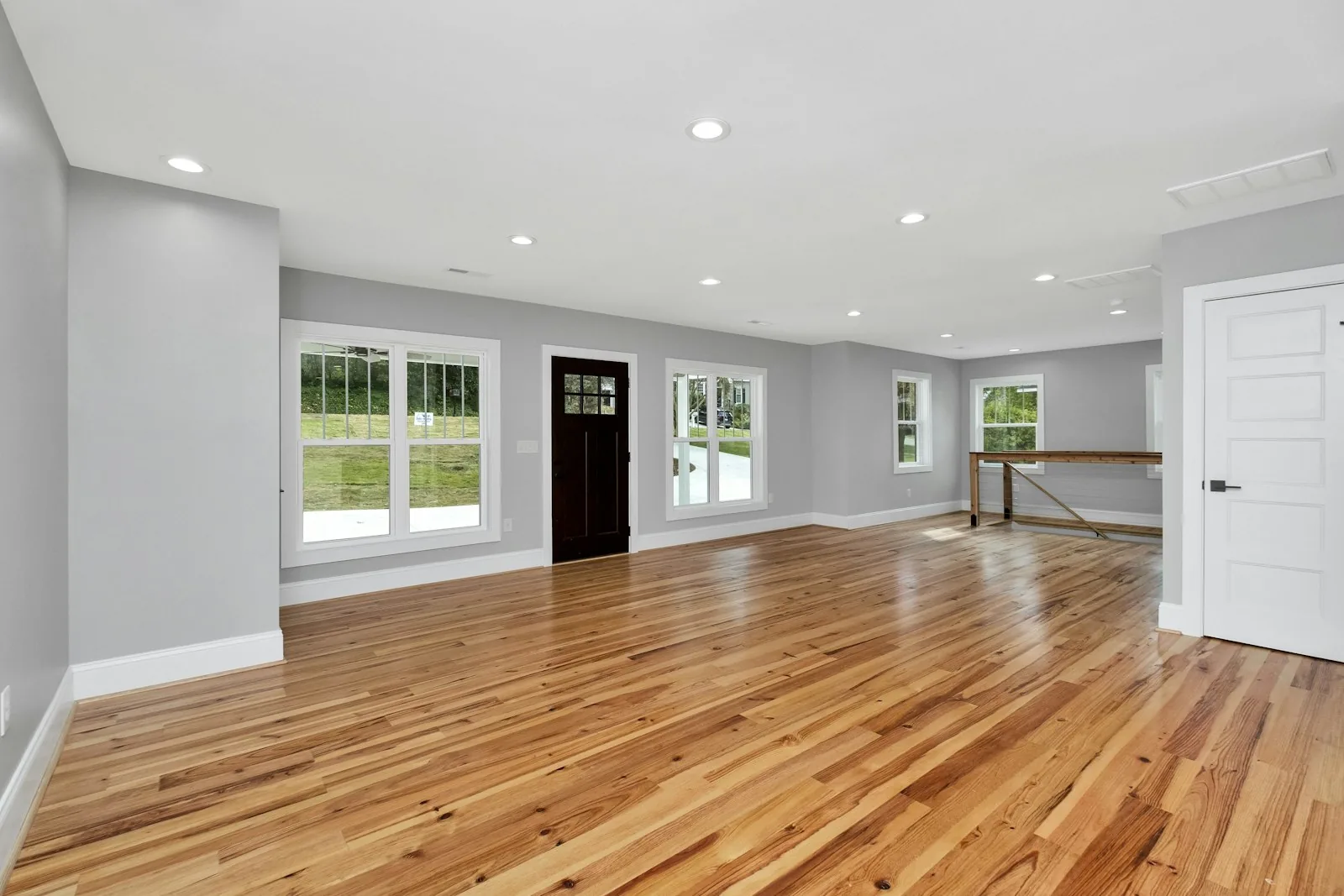
The owner sees the floor in person, measures the wood left above the tongue, and recommends the smallest job that will hold. The price comes after that visit, as one number with the finish named.
We measure before recommending
We pull a vent or lift a threshold, look at the edge of a board, and measure what is left above the tongue. That decides whether sanding is available at all.We test where a recoat is possible
Traffic lanes are checked in raking light for wear through, and adhesion is tested where wax or cleaner residue is likely. Some floors we decline to recoat.Color is settled on your own floor
Where stain is involved, we sand a section and put the candidate colors on it. You look at them in the room, at the hours you actually use it.Sanding and finish on the cure schedule
The room is sealed, the sanders run with vacuum extraction, and the grits go coarse to fine without skipping. Coats go down when the product allows, not sooner.
Mistakes that cost homeowners a refinishing job
Most refinishing regrets come from choosing the job before anyone has measured the floor. The costly ones are sanding a floor that only needed a recoat, recoating a floor that needed sanding, and picking a color from a chart.
Sanding a floor that needed a recoat
A solid floor has four or five sandings in its whole life. Spending one on a finish that was only dull takes wood that cannot be put back.
Recoating over wear through
Where the coating is gone and the wood has gone gray or dark, a new coat seals that damage in. It stays visible under the fresh finish.
Wax and oil soap under a new coat
Acrylic wax, oil soap and some cleaners leave a residue that finish will not stick to. The peeling shows up months later, in the traffic lanes.
The promise of a spotless sanding job
Vacuum extraction catches most of the dust, not all of it. Fine particles settle for a day or two afterward. A promise of none is one the equipment cannot keep.
Choosing stain from a fan deck
The same stain reads differently on red oak, white oak, maple and pine, and differently again in north light. A sample from another floor is a guess.
Skipped grits
Each sanding pass removes the scratch left by the one before. Skip a grit and the scratch pattern shows under the finish months later, in raking light.
Why homeowners hire Deco Hardwood Floor
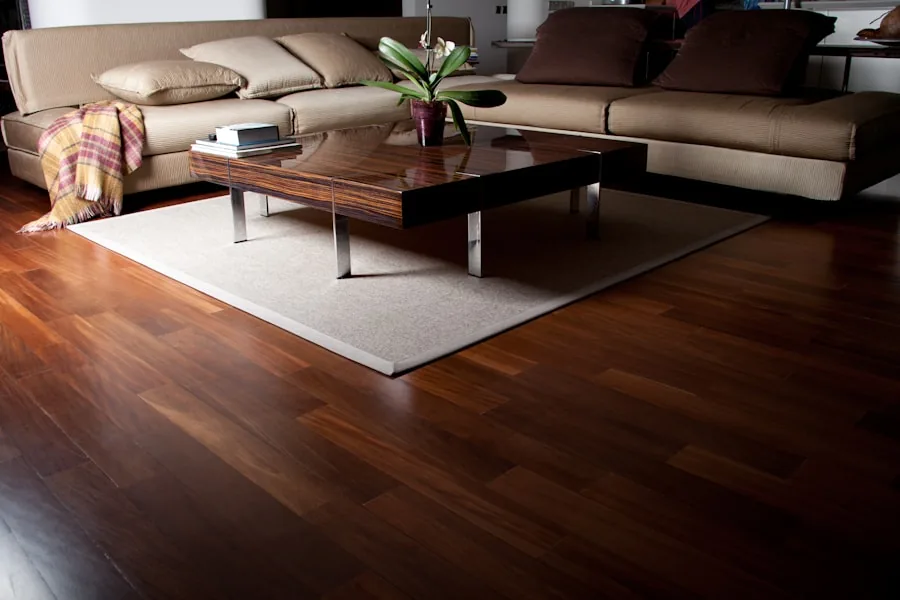
Deco Hardwood Floor is owner operated: the person who quotes sanding & refinishing is the person responsible for it, and the material comes with the labor in one number.
Material and labor in one number
We buy the flooring direct from the distributor and pass the store price through, so you are not sourcing wood on your own between quotes.
Samples come to your house
Samples and larger offcuts come to you, so the color gets chosen in your own light instead of under a showroom lamp.
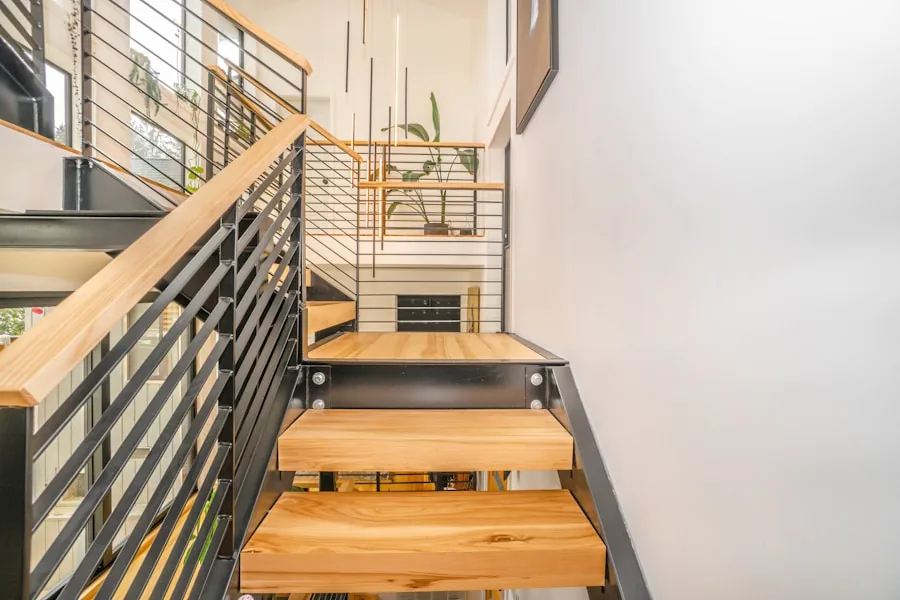
Stairs and railings built in house
Treads, risers, handrails and newel posts are drawn and built by our own crew. Most flooring crews subcontract stair work or decline it.
The owner quotes the job
The person who measures your floor is the person responsible for the work. There is no salesperson in between.
Measured before it is promised
Remaining thickness is measured at the edge of a board before we say a floor can be sanded, and no price is firm before we have seen the room.
Told straight, including the limits
Vacuum extraction catches most of the sanding dust and not all of it. We tell you that before the job instead of after.
More about who we are and what we will not claim on the About Deco Hardwood Floor page.
Questions about sanding & refinishing
Do I need a full refinish or just a screen and recoat?
It depends on whether the wear stops at the finish. If the traffic lanes are dull and scratched but the coating is still continuous, a screen and recoat restores it without removing wood. If you can see gray or darkened wood where the coating is gone, the floor needs a full refinish. Deco Hardwood Floor checks this in raking light before quoting either one.
Is dustless sanding a different service from refinishing?
No. It describes how the sanding is done, not a different result. The sander runs with containment and a vacuum collecting dust where it is made, and the floor is then finished the same way. In a house built before 1978 that setup is what the federal lead rule describes for these machines. It catches most of the dust, not all of it.
Is refinishing worth it compared with replacing the floor?
Usually yes, when the boards are sound. A traditional solid floor can be sanded four or five times across its life, and many older floors in this region have not used all of those. Refinishing stops being the answer when the wood above the tongue is spent or the damage is structural. That is measured at the edge of a board, not judged from standing height.
What moves the price of a refinishing job?
The job itself moves it most: a screen and recoat is the lowest cost work in this category, and a full sand with stain sits at the other end. After that come the area, the repairs found under the old finish, the finish product chosen, and the containment a pre-1978 house requires. Deco Hardwood Floor sets the price after seeing the floor, not before.
Can I change the color of my floor without sanding it?
No. Stain goes on bare wood, so a color change means sanding the old finish off first. A screen and recoat only adds a clear coat over the finish that is already there, and the color stays what it is. If the color is the reason for the work, the job is a full refinish with staining.
How long does a refinishing job take?
It depends on the job and the finish, and we do not give a number of days before seeing the floor. A screen and recoat is the shortest. A full refinish adds sanding passes, and stain adds a step before the finish. Waterborne finishes cure faster than oil-modified polyurethane, and the cure time sets the schedule. You get that schedule before the work starts.
Who is refinishing not for?
Refinishing is not for a floor whose wear layer is spent, a floor with structural damage, or an engineered floor with a thin veneer. It also will not permanently close seasonal gaps, and it often will not remove a black pet stain. In those cases Deco Hardwood Floor says so at the estimate and points to repair, board replacement or a new floor instead.
Water-based or oil-based finish, which should I choose?
Neither is right for every house. A waterborne finish cures quickly, carries far less odor and keeps the wood close to its natural color. Oil-modified polyurethane costs less, builds a warmer tone that deepens over the years, and needs more time between coats and before furniture returns. A deadline, a dog and how long you plan to keep the floor all point the choice.
Can a prefinished or engineered floor be refinished?
Sometimes. A solid prefinished floor can usually be sanded, and the bevel between boards disappears when it is. An engineered floor depends entirely on its wear layer: with a thick one there is room for a light sanding, and with a thin veneer there is not. Factory finishes are hard and need proper abrasion before a recoat. Each of these is a per-floor answer.
Should the floor be repaired before or during refinishing?
During, in most cases, and the cause is found first. Damaged boards are replaced and woven into the floor before the sanding, so old and new wood are sanded and finished as one surface. Deco Hardwood Floor quotes the repair and the refinish as one number after looking at the floor. A floor that is still wet is not sanded until it has dried.
From the blog
How long refinishing takes, and when you can walk on it
Sanding is the predictable part. The calendar is set by the finish, and walkable is not the same day as cured.How to clean hardwood floors without damaging the finish
You are cleaning a coating, not a piece of wood. Most damage we are called to fix was done with a mop and a product that promised shine.
Send a photo and we will tell you what you are looking at
Sanding & Refinishing starts with someone reading the house. We quote every job ourselves, with no salesperson in between, and a photo of the floor gets you a straight answer faster than a form does.
